Baylor Line is supported by our sponsors! Become one today.

Baylor’s Big Archaeology Win

Researchers unearth an intact Etruscan tomb in Italy

Anticipation was running high in central Italy last summer as a Baylor-led research team prepared for its first peek into an ancient chamber tomb.

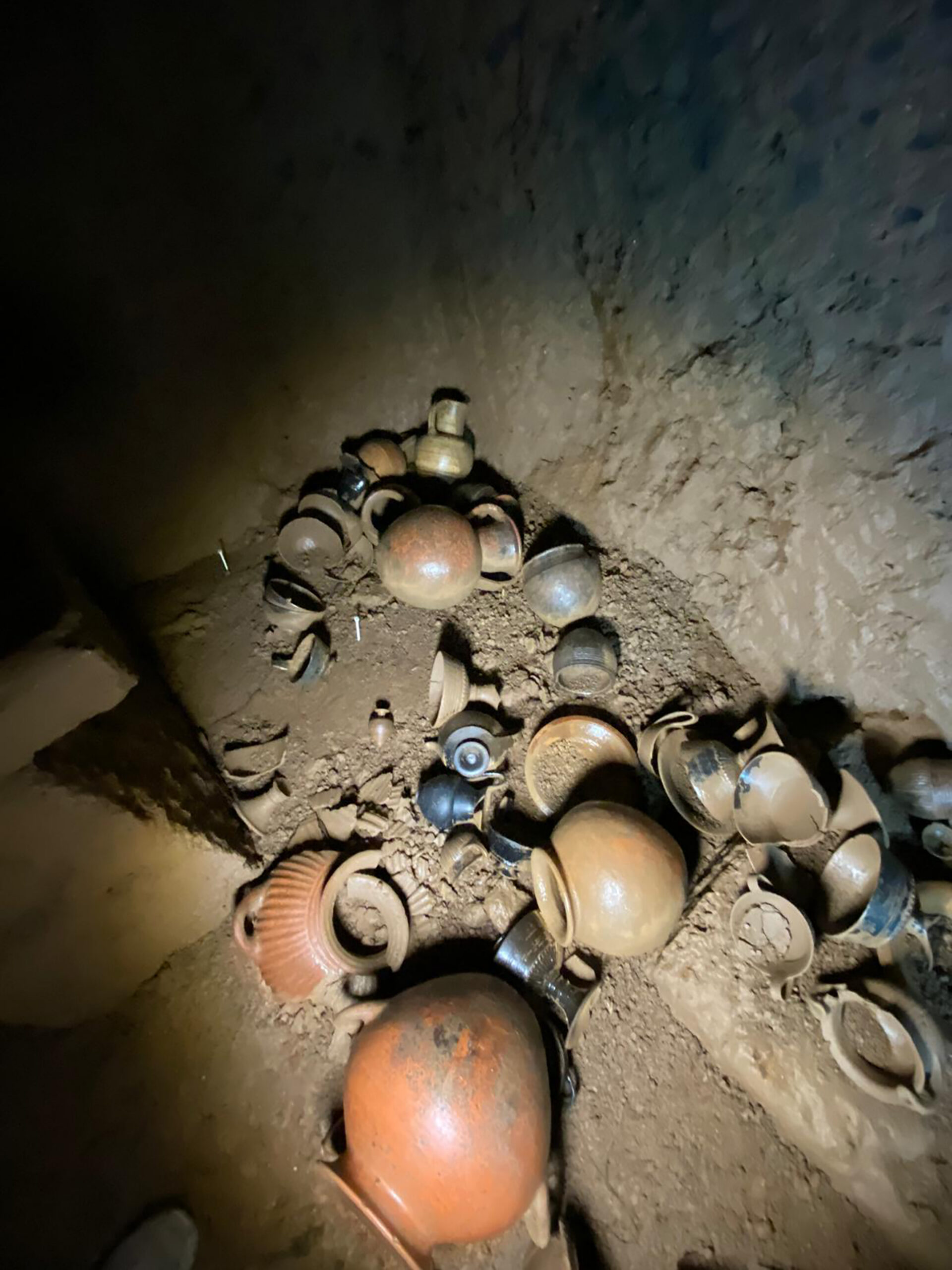
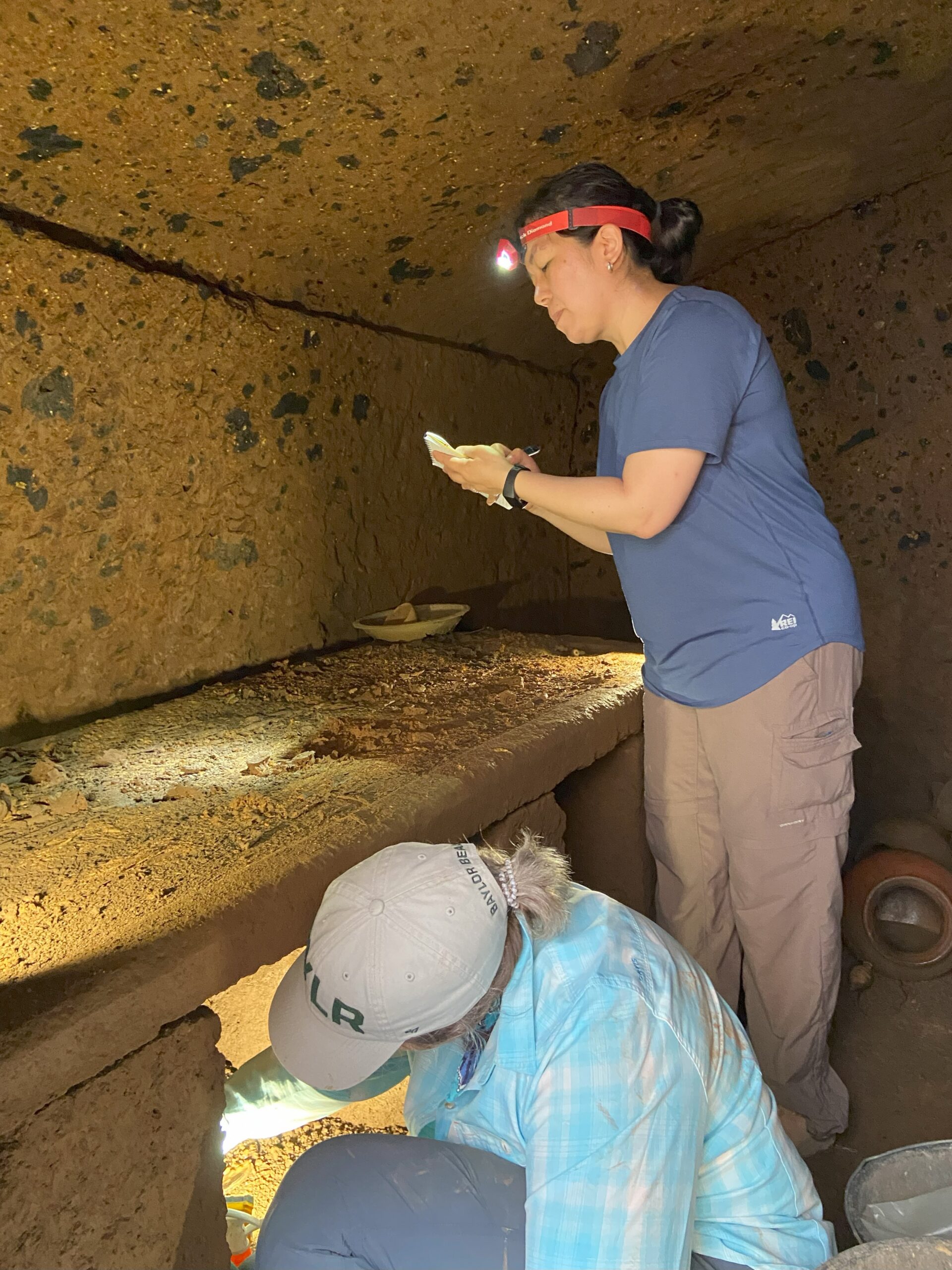
With the aid of a camera inserted into the top corner of the front door, Dr. Jamie Aprile saw archaeological treasure: 2,600-year-old Etruscan pottery, and lots of it, seemingly whole and intact.

“I had a momentous moment where I wrote ‘unlooted’ in my notebook,” said Aprile, co-principal investigator of the excavation and an adjunct lecturer for the Baylor Interdisciplinary Core in the Honors College. “This is the landmark when we really knew.”

The tomb stands out from others so far excavated by the San Giuliano Archaeological Research Project, or SGARP, a yearslong, interdisciplinary effort to uncover the history of the eponymous plateau and surrounding hills in the Lazio region.

SGARP project leaders, Dr. Colleen Zori, Dr. Jamie Aprile, and Dr. Davide Zori, in front of the tomb door. | Photo courtesy of the an Giuliano Archaeological Research Project.

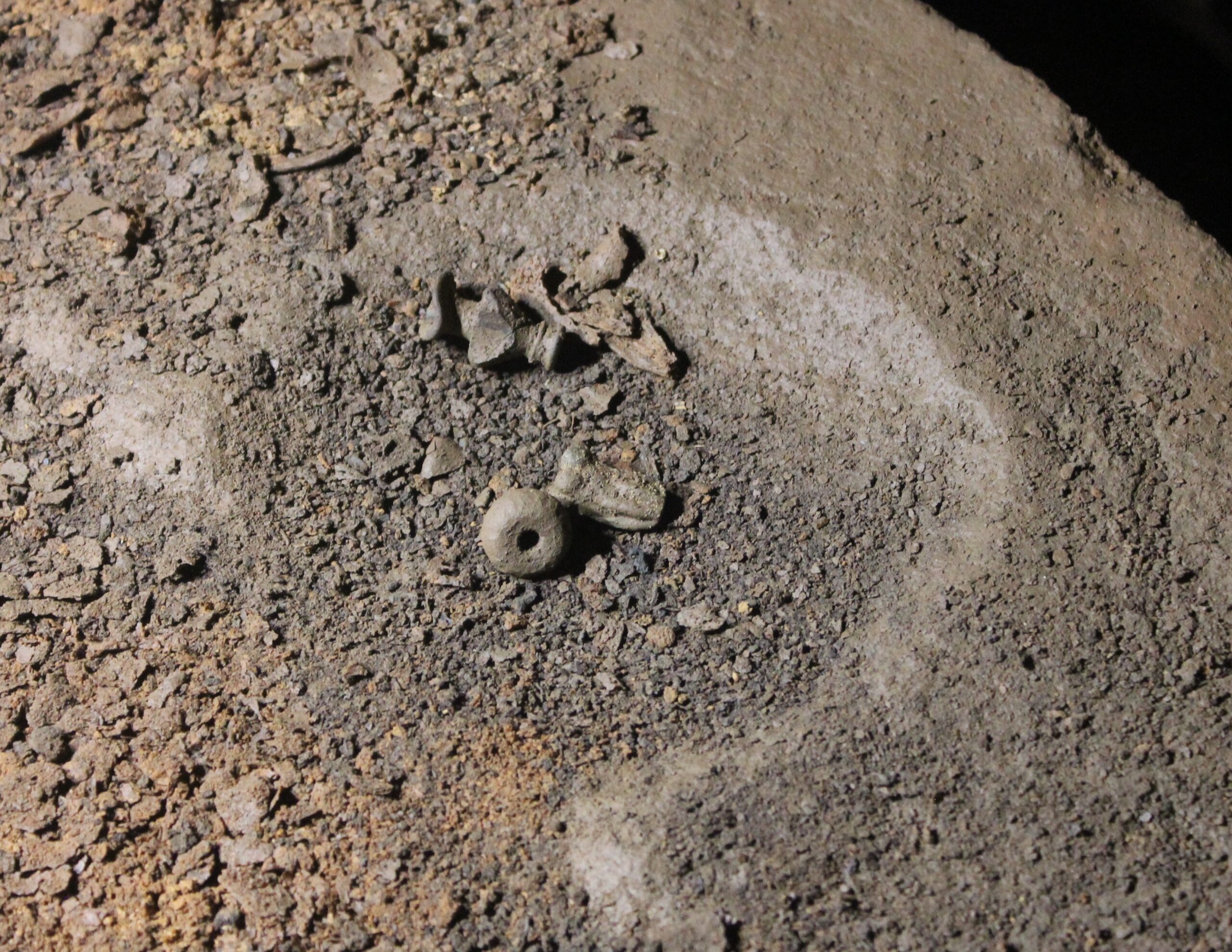
While most of the tombs are found already looted, offering only fragments to science, this one opens a wide, clear view to a pre-Roman civilization. Its excavation revealed more than 100 grave objects dating to the 7th century B.C. in remarkable condition — ceramics, ornaments, and weapons — and the remains of four humans.

“Archaeology is great and it’s fun and it’s discovery, but there’s only been a couple moments in my life where I got super emotional about archaeology,” said project director and principal investigator Dr. Davide Zori, associate professor of archaeology and history in the BIC/Honors College. “It was one of those moments where people were hugging and cheering.”

SGARP had been zeroing in on a discovery like this for years, fueled by curiosity and the support of student, community, and international partners. Zori called the find the “culmination of a long research trajectory.” 

A collective effort

Zori began work on and around the San Giuliano Plateau in 2016 with his wife, Dr. Colleen Zori, principal investigator on the project and senior lecturer in the BIC/Honors College and anthropology.

The two helm the project alongside research leads. Davide has a hand in all facets, including scouting and leading excavations; collaborating with lab specialists; liaising with community partners in the nearby town of Barbarano Romano and contacts from the Italian Ministry of Culture; and managing logistics for the pop-up community of scientists in town every summer.

“We have a presence there,” Davide said. “At dinnertime, it’s not uncommon that we’re 50 people.”

Colleen’s scope also varies, but one focus is the top of the plateau, a hotbed of discovery. Most of that work centers on medieval ruins from about 800 to 1300 A.D., which sit atop signs of life from Roman, Etruscan, Villanovan, and even earlier eras.

“It’s quite interesting because it looks as if the medieval people made use of blocks that were produced originally during the Etruscan period,” Colleen said. “So they may have started to construct there and then it’s possible that there was some, maybe not cultural memory, but some idea that this had been an important place.”

Many Baylor students join the project as part of a study abroad course, Archaeology in Research in Italy, and SGARP also welcomes students from consortium universities. They enjoy opportunities to help with excavations, handle materials in the lab, and learn from disciplines other than their own.

“As a history person, I mainly work in text. I read, and I write. But this has completely broadened what I’m able to do with history and how we’re able to interpret it,” said Katie Curley, a Baylor senior who helped wash and handle vessels from the new tomb this summer. “Now I know how to interpret objects and not just things people have said, which gives me so much more to work with.”

Many students return for multiple summers, both as undergrads and graduate students, with some centering their honors theses or dissertations on the site.

“One of the biggest contributions is the peer-to-peer instruction and learning,” Colleen said. “Sometimes, as people who’ve been doing archaeology for many decades, we forget what it’s like to not know how to do things. And so having people that are closer to the students in both age and experience, I think gives them an opportunity to really bridge that gap between faculty and new students.”

The collective effort ultimately helped the Zoris steer toward the big reveal in late June.

A long trajectory

Davide detailed milestones that led to the discovery, starting with a land survey begun in 2016 that identified 600 chamber tombs in the necropolis ringing San Giuliano. Initial excavations began, and to suss out promising leads, project leaders enlisted the expertise of a group of German scientists.

“In archaeology, we have a lot of non-destructive methods like geophysics,” Davide said. “It’s a catch-all term for things like ground-penetrating radar, conductivity, and magnetometry — like a powerful metal detector.”

In 2022, the team dug around a few anomalies indicated in the geophysics map. The effort, filmed for an episode of the Discovery Channel’s Expedition Unknown, found trenches instead of tombs, but it confirmed the existence of a hypothesized road and what looked like a tomb at its southern end.

The resulting excavation in 2024 yielded a 7th century B.C. tumulus, or burial mound, which impressed researchers despite having been looted. Aprile, who heads excavations in the necropolis, recalled finding a dazzling set of bronze wire spirals with gold plating, granulation, and filigree.

“They’re some of the best things I’ve ever found in my entire career,” she said. “And I thought those were going to be sort of the capstone of my time at San Giuliano. Lo and behold, the next year I find this thing [the intact tomb] across the street.”

The big find

The new tomb, also a tumulus, reflects the highly developed sculpture, metalwork, and funerary rites for which the Etruscans have come to be known.
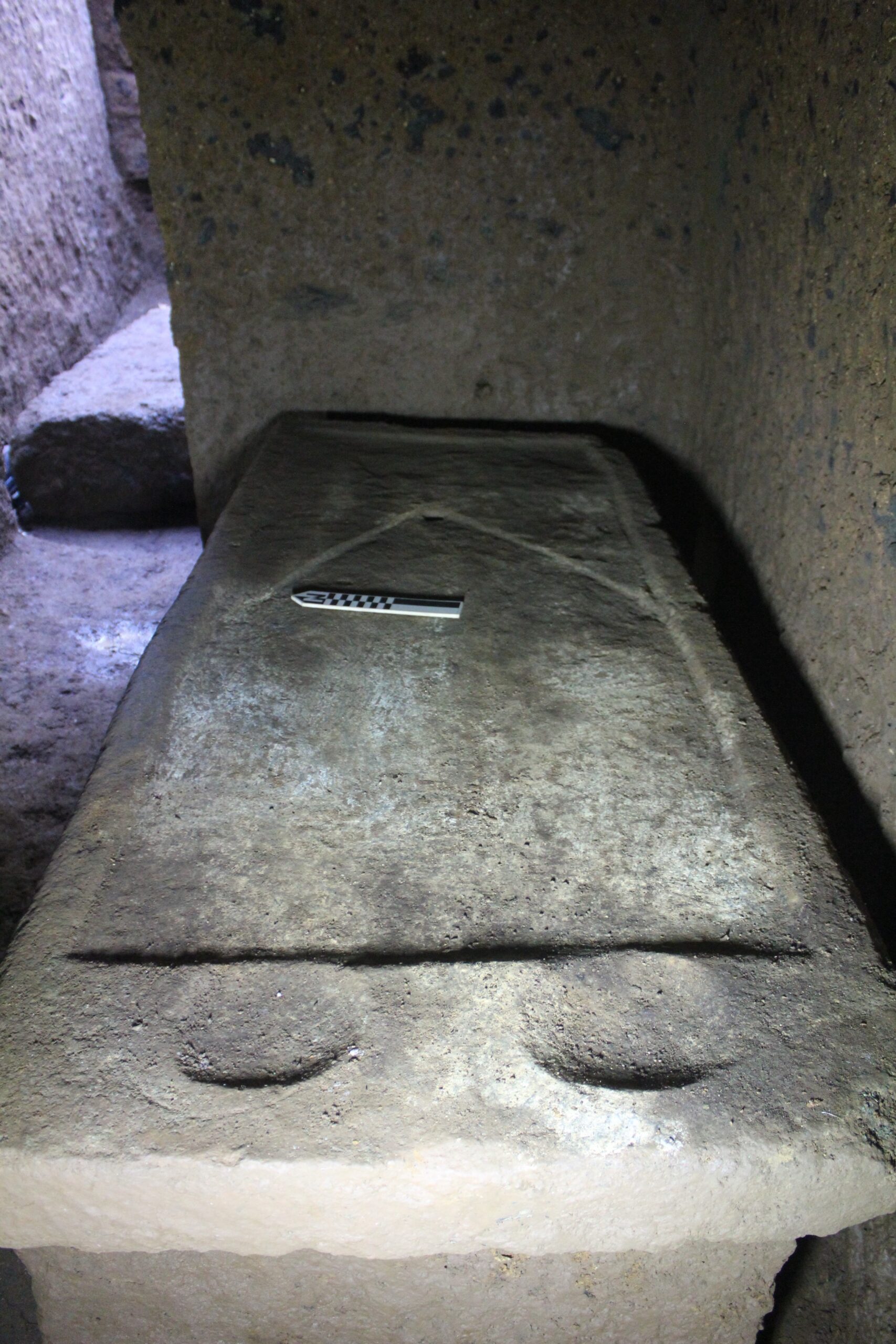
“It was so carefully done, so much attention to detail, so many nice, sharp, crisp edges,” Colleen said, of the tomb’s entryway and overall appearance.

Inside, two carved stone beds held the skeletal remains of four people, which Davide described as “pretty crumbly.” Preliminary bone analysis and context clues from artifacts indicate they belonged to two male/female pairs, and further study might shed more light, Colleen said.

“We have really high hopes that we might see some genetic information that will give us some insight into who these people were to each other,” she said.

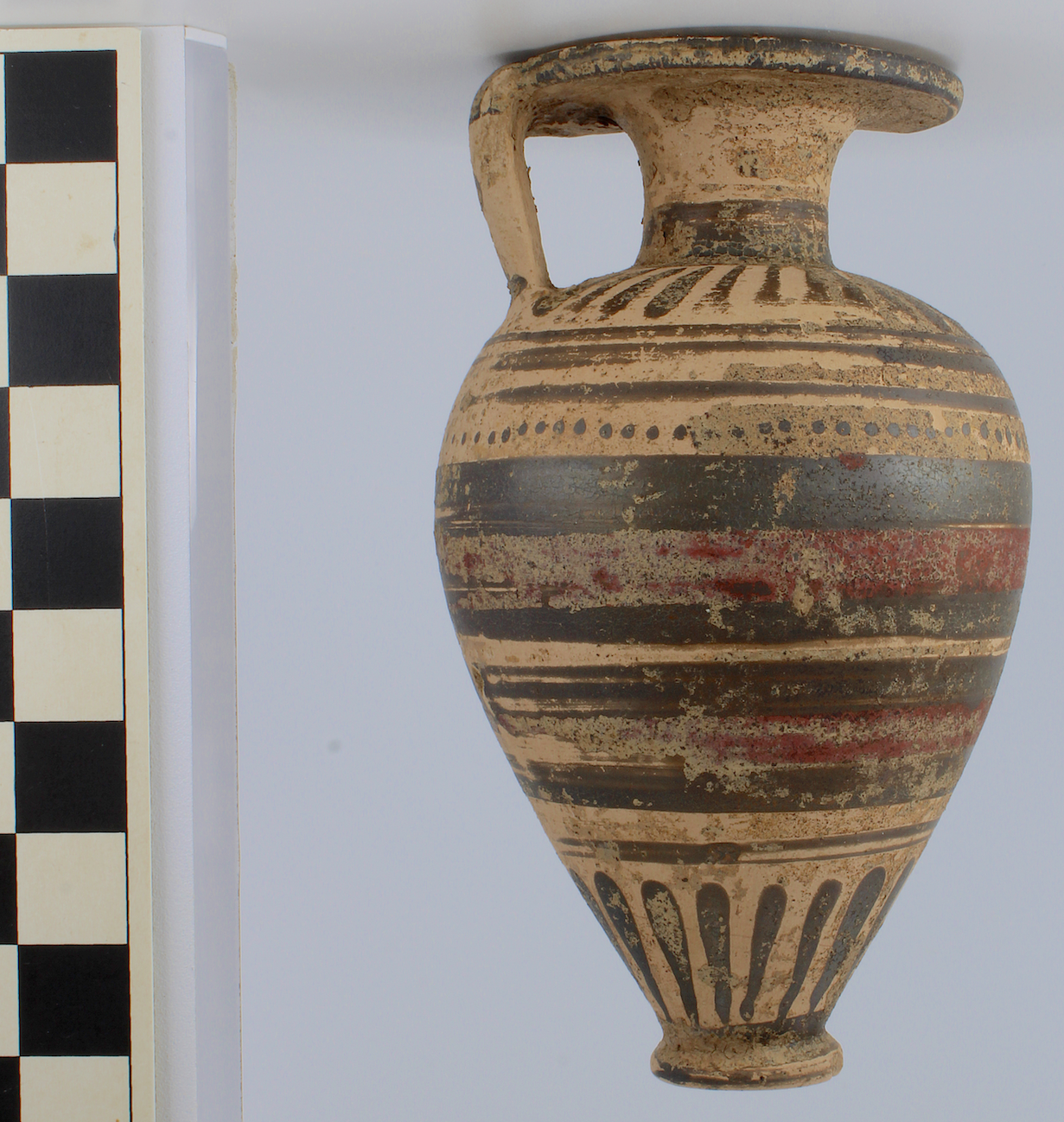
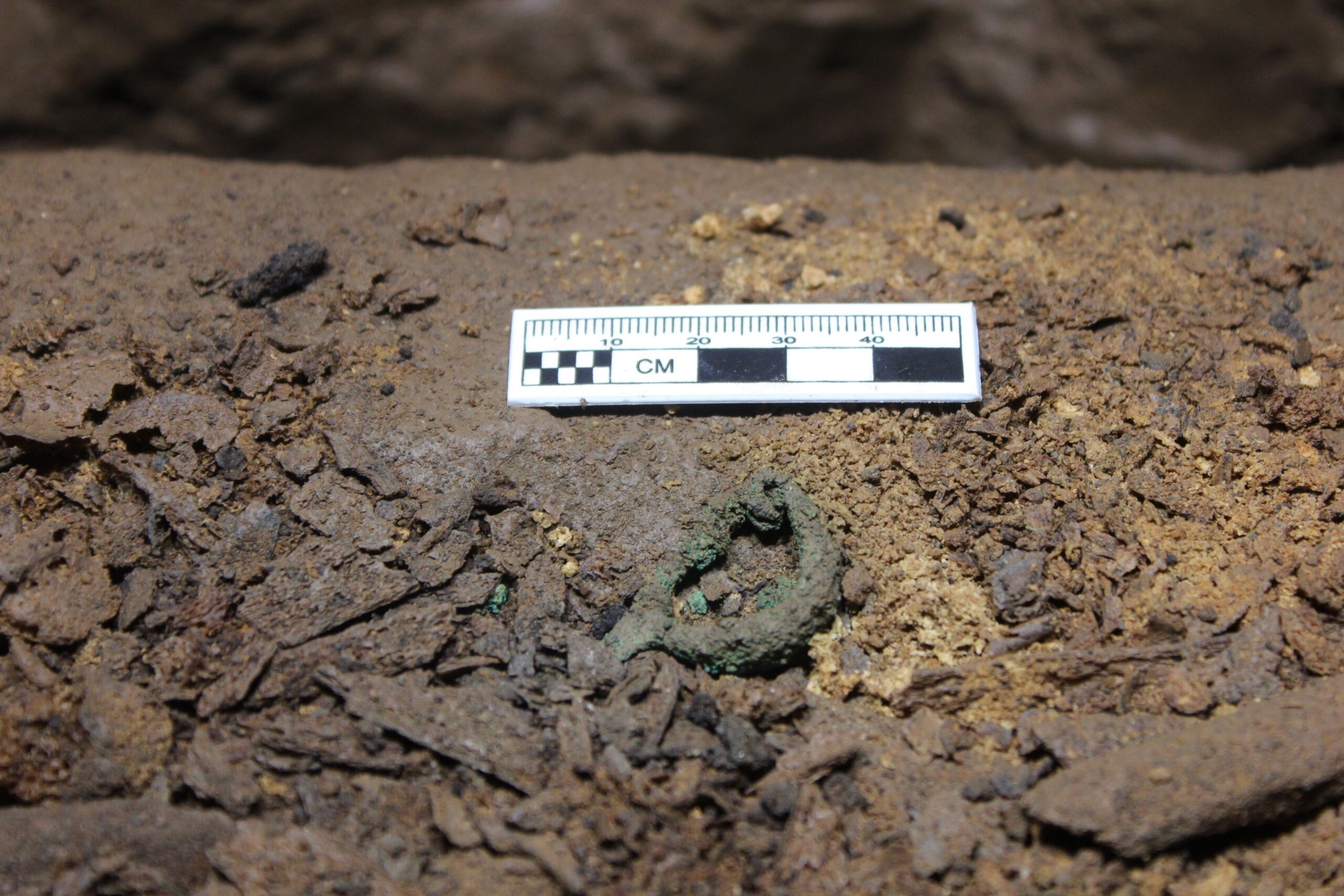
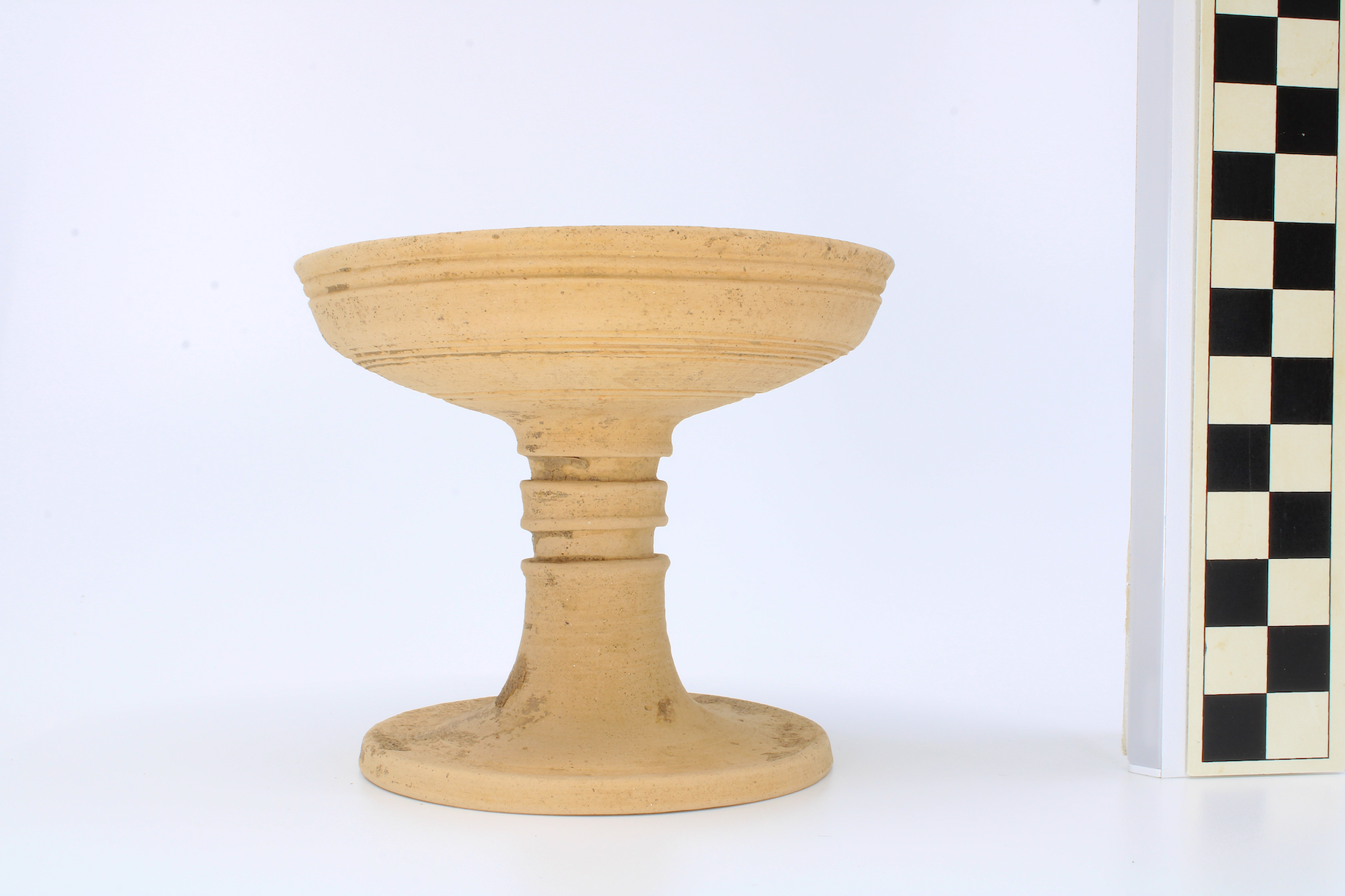
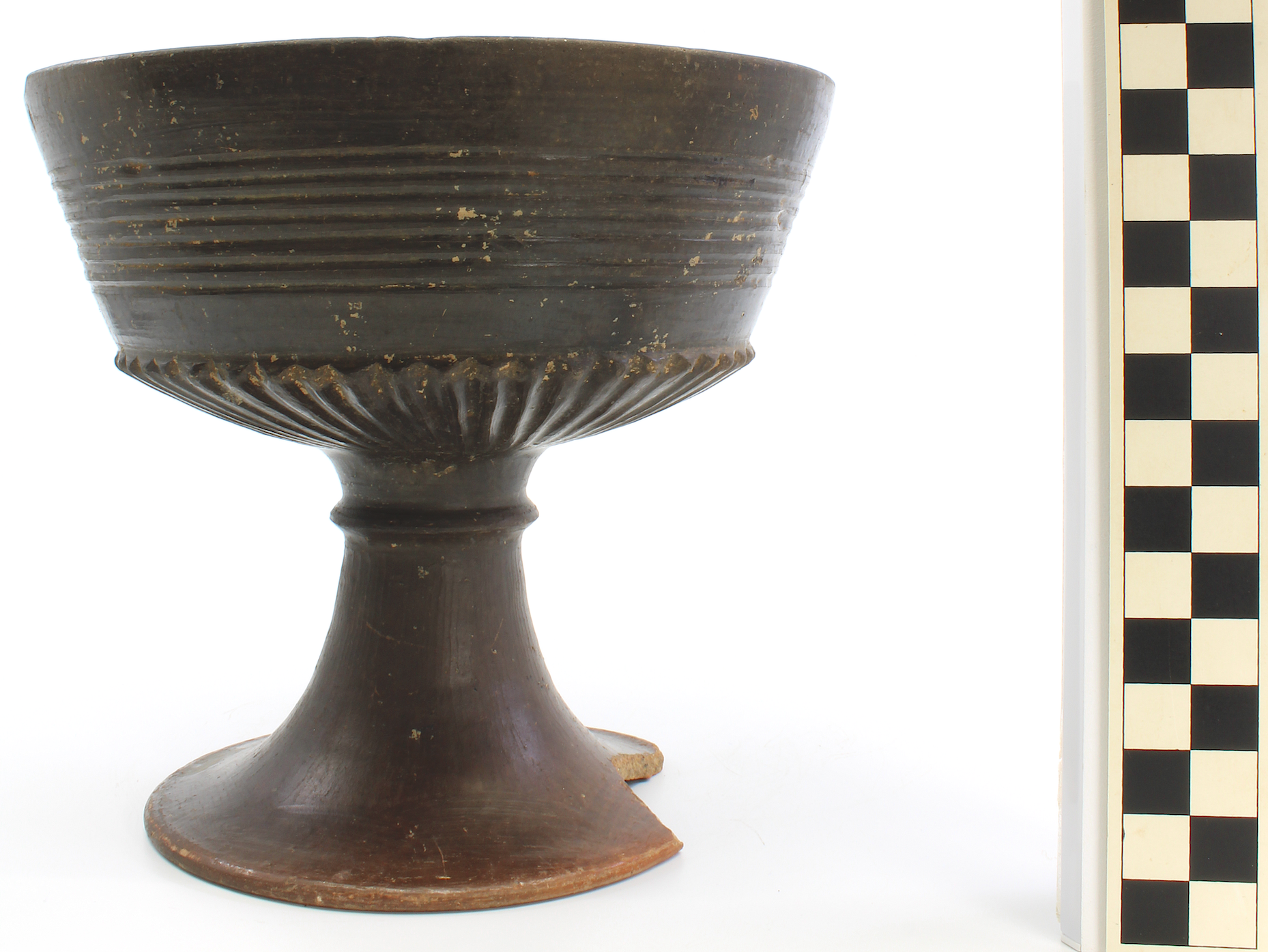
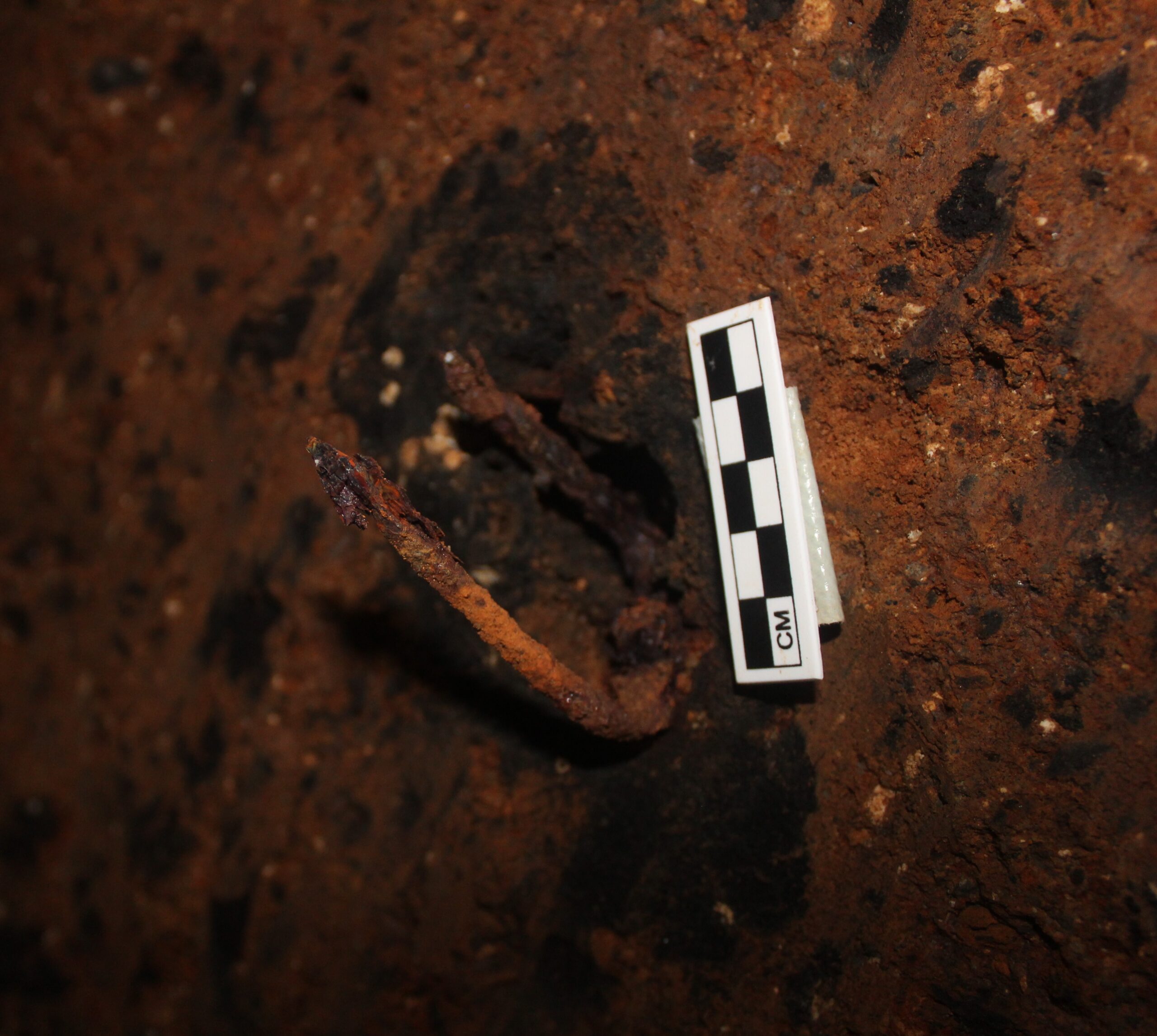
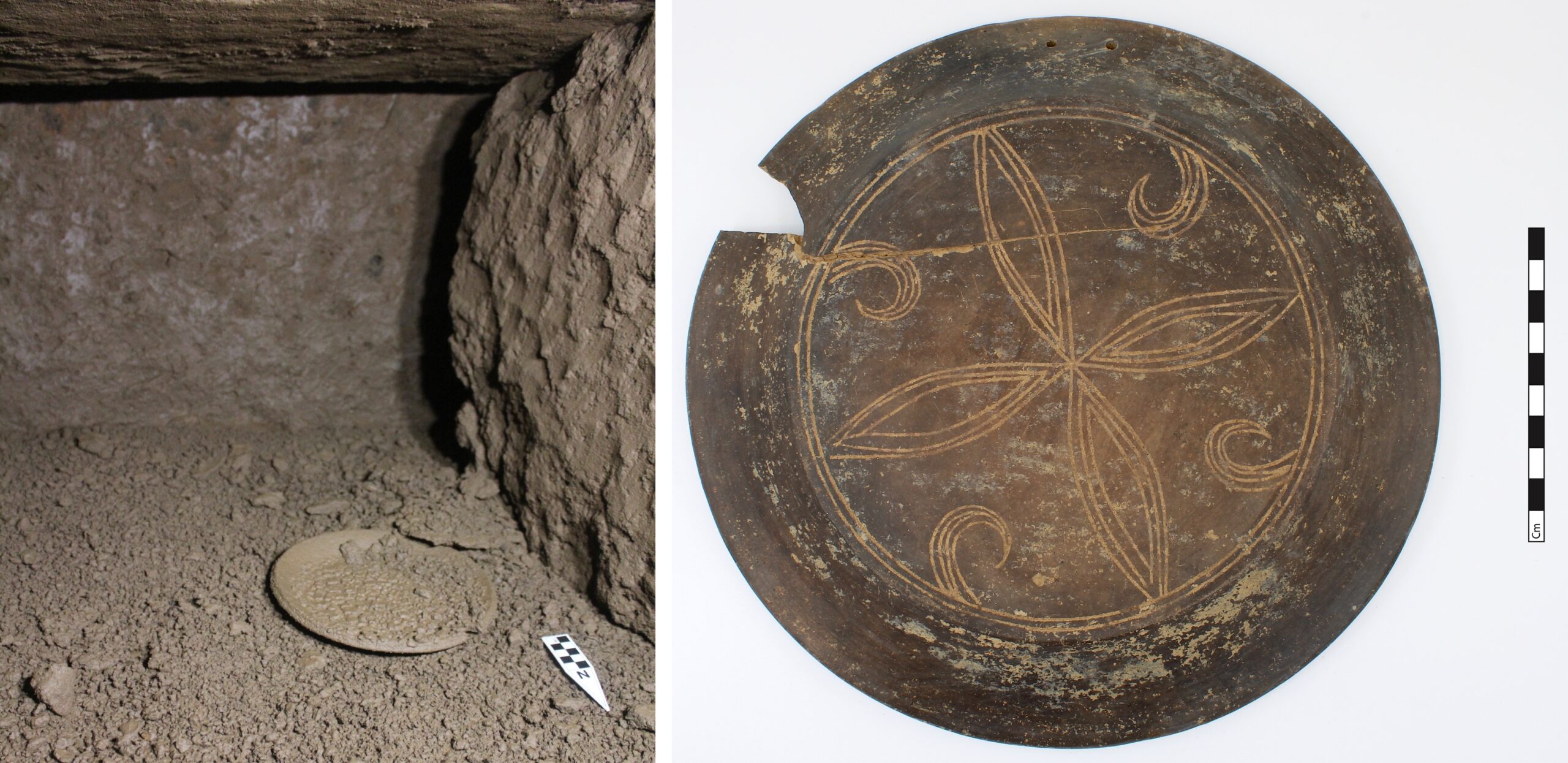
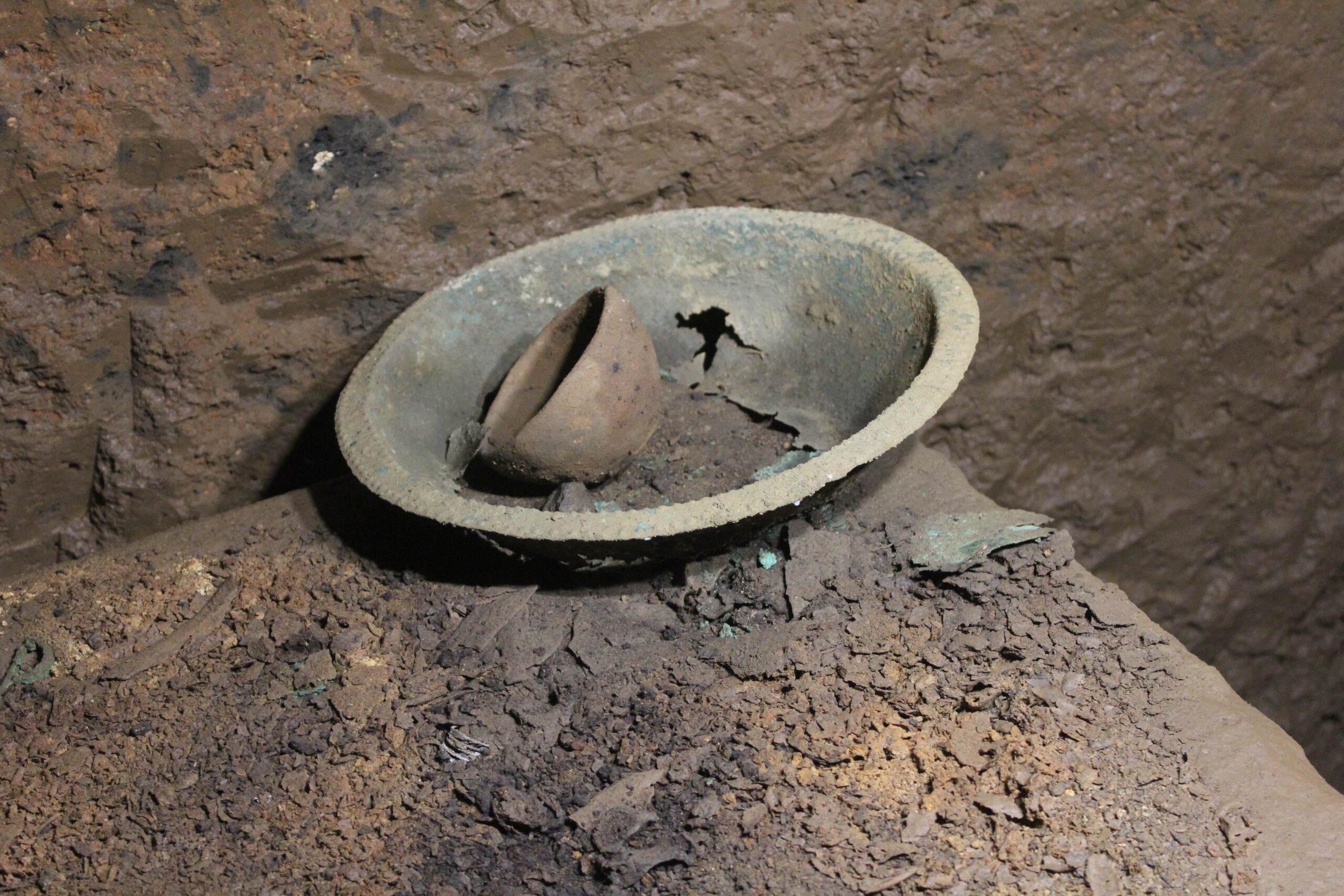
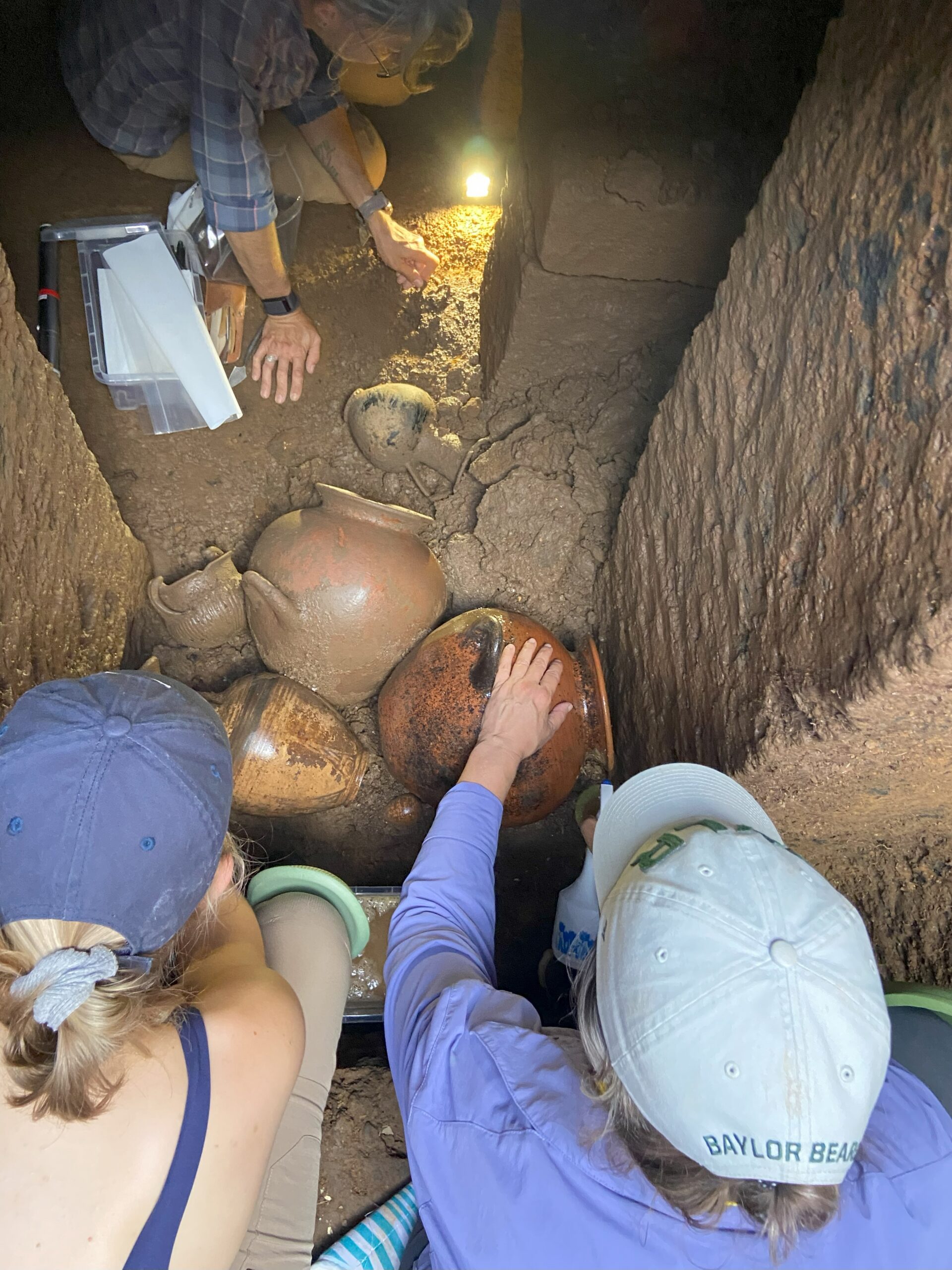
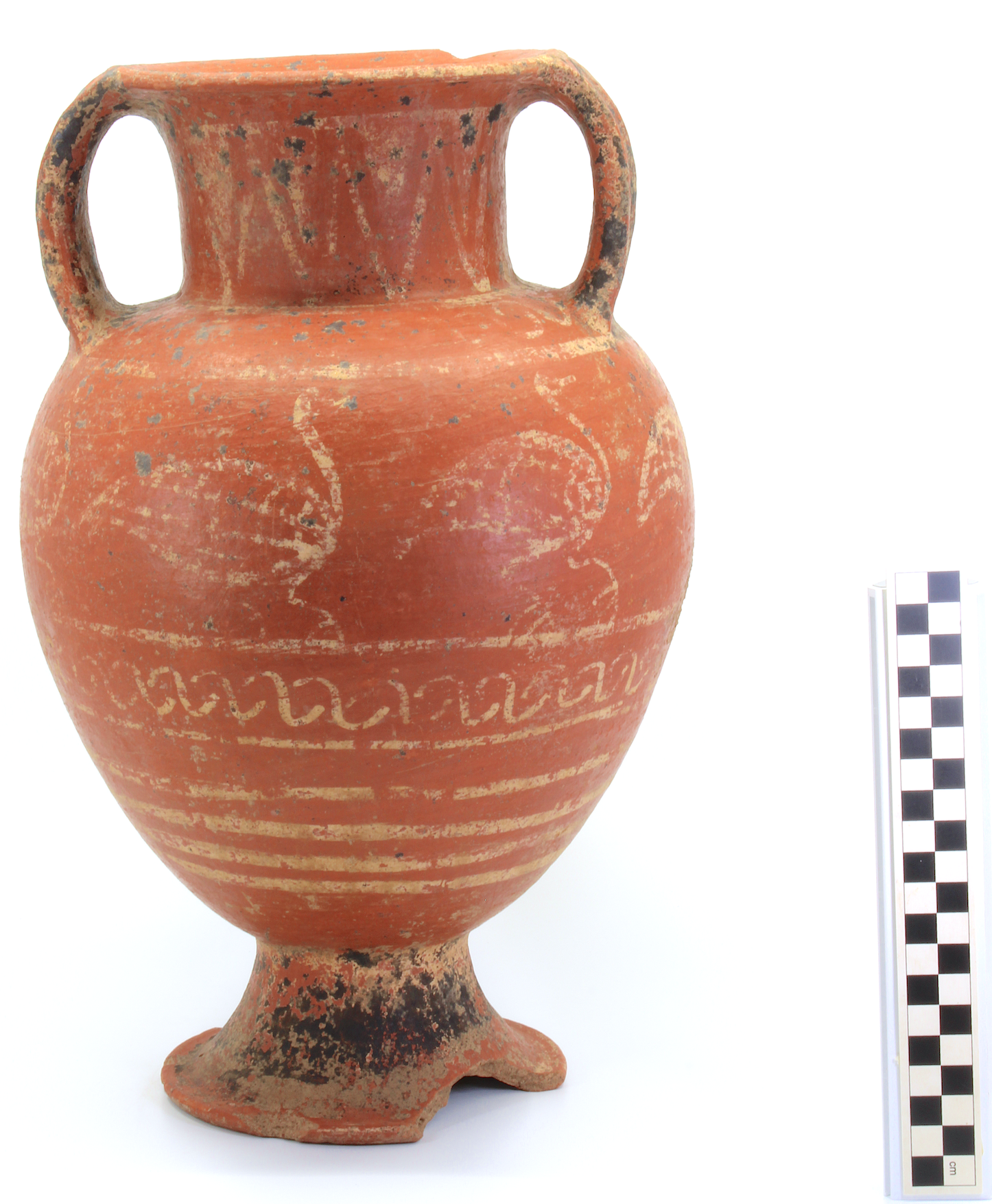
Surrounding the slabs was a grand assemblage of funerary objects, including iron weapons, bronze ornaments, and ceramic items such as vases, bowls, jugs, jars, and plates.

“There was a wealth of variety,” said Dr. Jerolyn Morrison, a temporary art history lecturer at Baylor and ceramics expert who serves as laboratory director. “I think each one was really kind of unique on its own.”

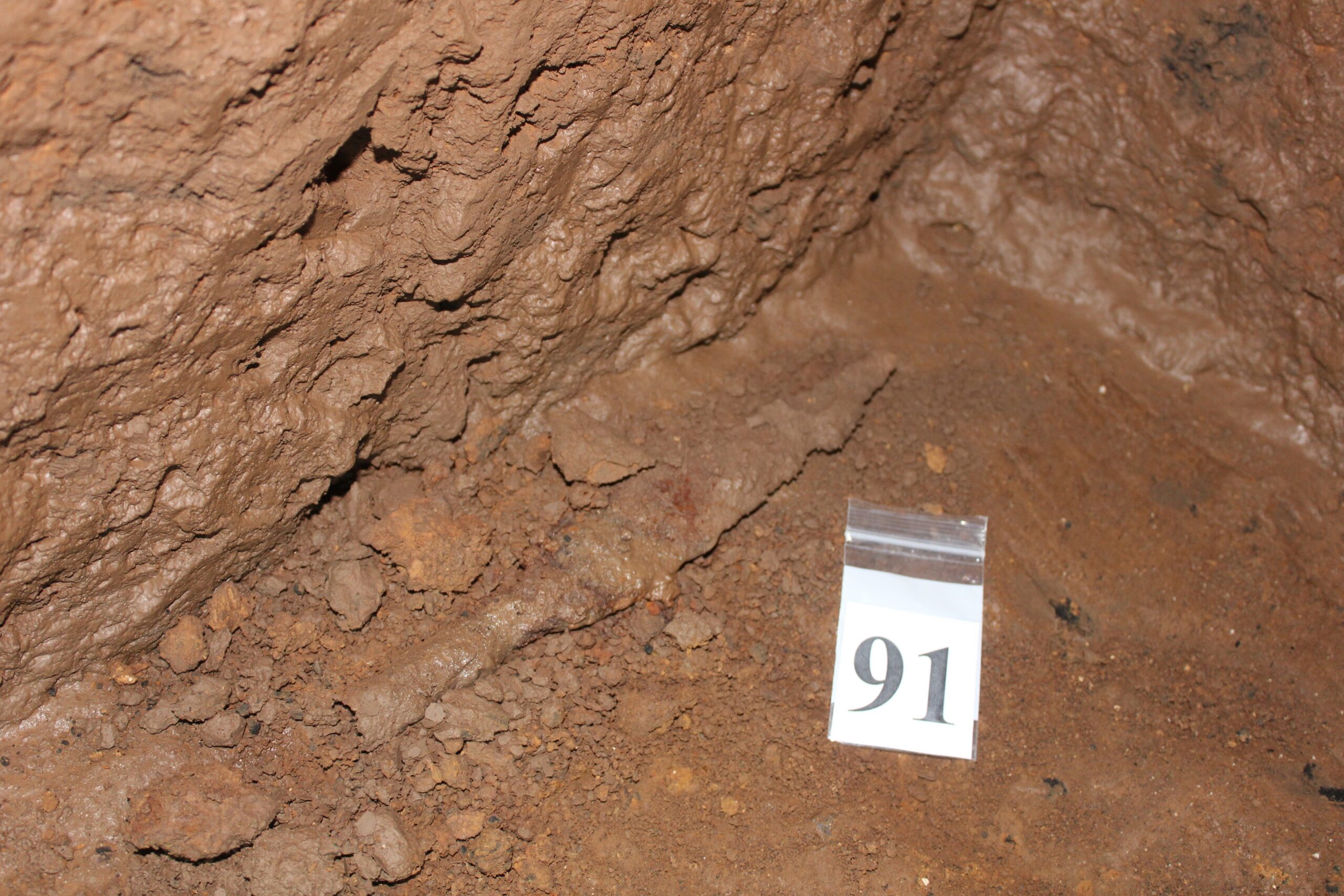
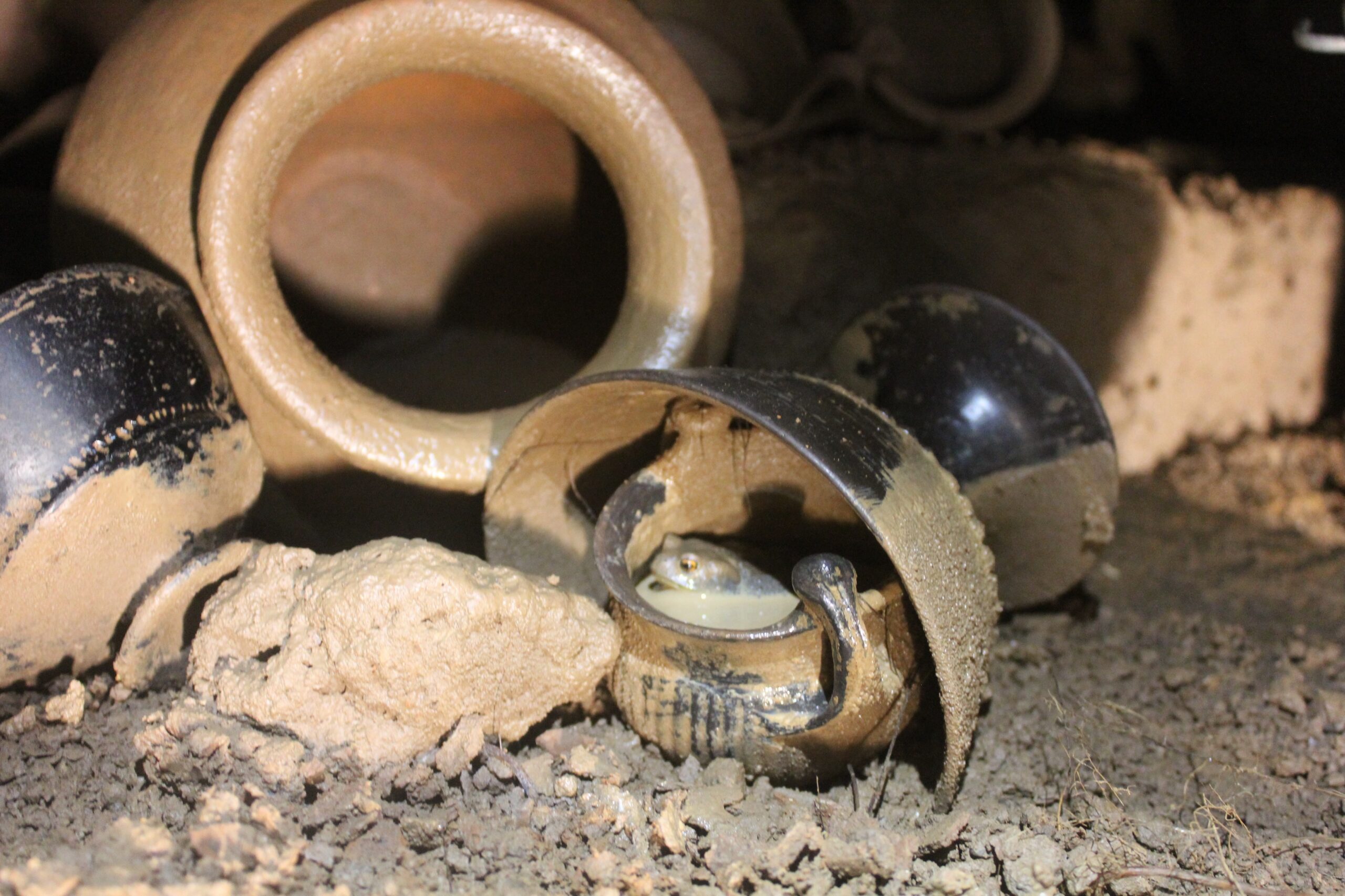
While human hands hadn’t touched the tumulus for millennia, natural forces had. Seismic activity shifted the placement of many vessels, and years of rain and flooding left a layer of clay on the pots.

“When the tomb was opened, they were all the same color,” Morrison said. “It’s as if they had all been dipped in chocolate. The clay coverage on all of them was like two to three millimeters, so it was a substantial amount.”

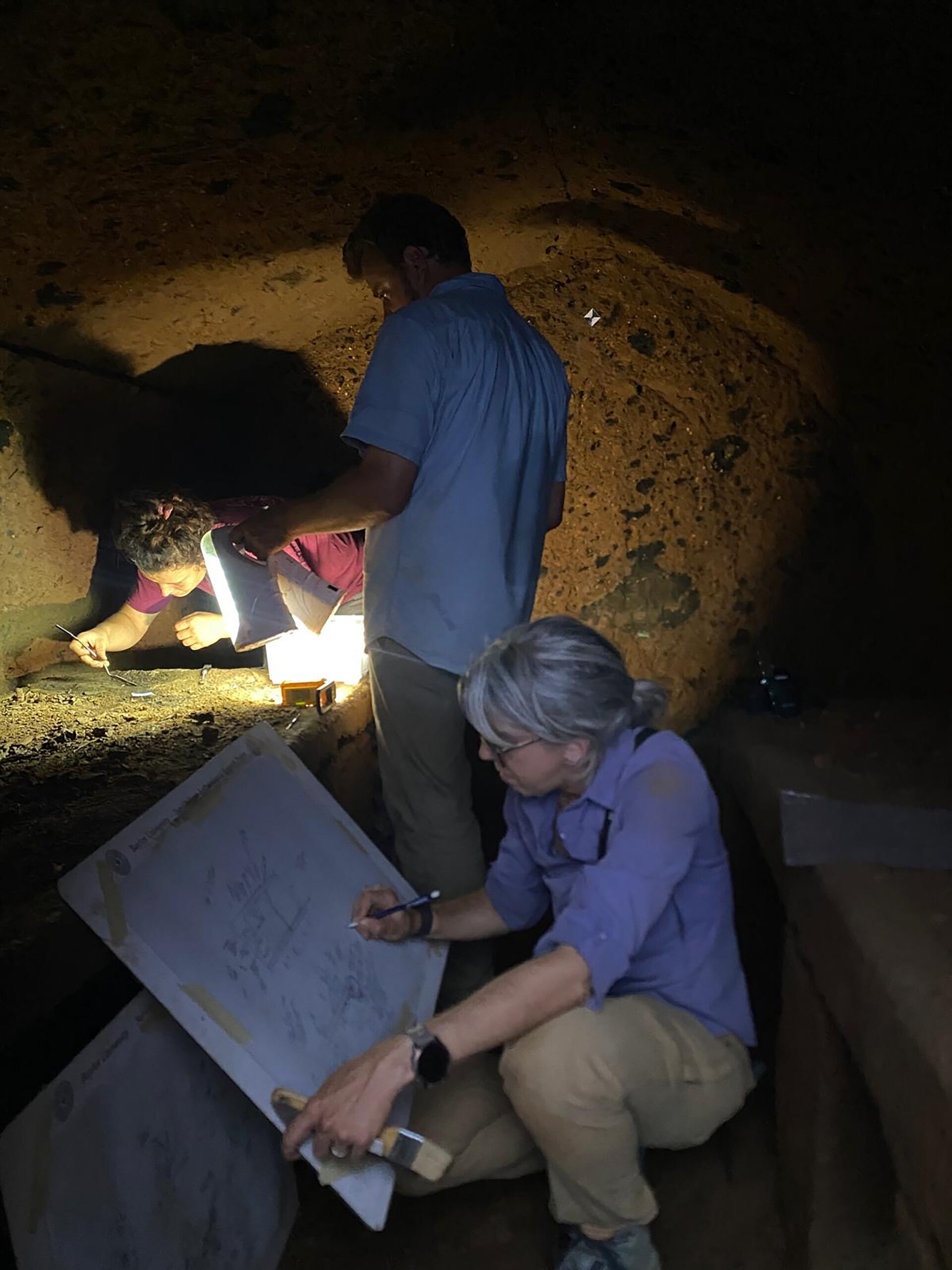
The laboratory carefully cleaned, photographed, and documented the recovered items, identifying key characteristics. Preservation was key as the objects moved from one environment to another, Morrison said.

Today, the vessels are on display at the local museum in Barbarano Romano. The plan is to ship them to Rome and elsewhere in Italy to undergo more stringent conservation efforts before being returned, Davide said.

With the excavation complete, the work continues in labs and offices. Carbon dating will help confirm the era and possibly pinpoint individual burial times for each of the deceased, Davide said. Morrison generally expects more formal item cataloguing and published works to come.

“The team’s made up of scholars who are published and want to take this information and put it back to the public and make sure that it’s there,” she said. “It’s part of the community’s story. It’s part of Italy’s story. It’s part of our story.”

Latest from Baylor Line

The Good Doctor

Editor’s Note: As we gear up to celebrate 60 years of this tradition with you, let’s take a moment to

Recommended

Smouldering Ruins

Throughout its long history, the Baylor University campus has been remarkably blessed, avoiding tornadoes, the worst impact of the regular

The Mighty Brazos

Perhaps nothing says “Texas” like the Brazos River, the 10th longest river in the U.S. and the longest river entirely

Leave a Comment

Your email address will not be published. Required fields are marked *

Baylor Line MAgazine

With over 75 years of storytelling under its belt, the award-winning Baylor Line Magazine is now available digitally. Support this vital, independent voice of Baylor alumni by becoming a member today!